The Crisis Beneath Our Feet
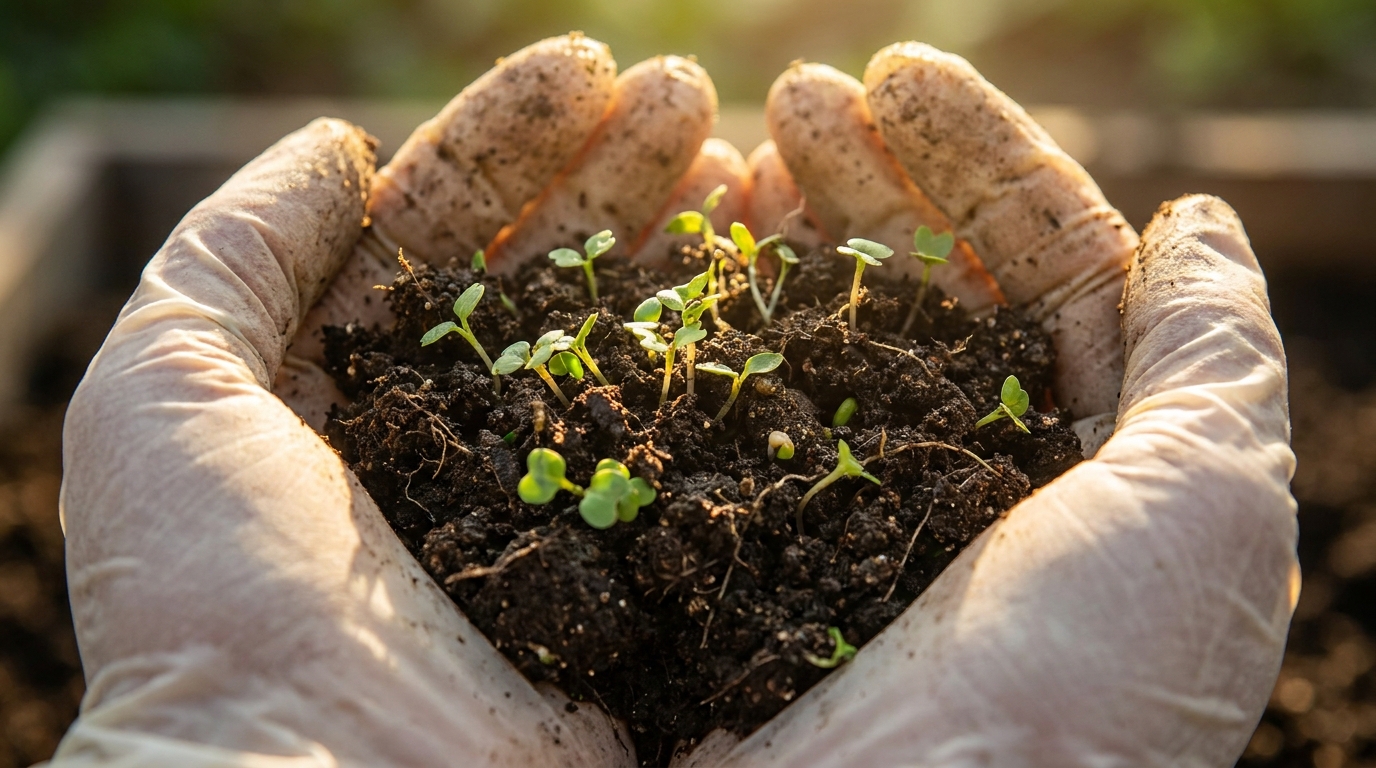
Soil is alive. That statement sounds obvious until you realise how thoroughly modern agriculture has proceeded as though it were not. Conventional farming treats soil as a substrate, a medium that holds plants in place while fertilisers deliver the nutrients. This approach has been extraordinarily productive in the short term and genuinely catastrophic over the long one.
According to the Food and Agriculture Organisation of the United Nations, approximately 40% of global farmland is currently moderately or severely degraded. Degraded soil means depleted microbial communities, reduced organic matter, compacted structure, and diminished capacity to hold water. It means fields that produce reasonable yields only because of increasing quantities of synthetic input, and which become progressively less productive as the years pass. It is, in the most literal sense, the eating of the future to feed the present.
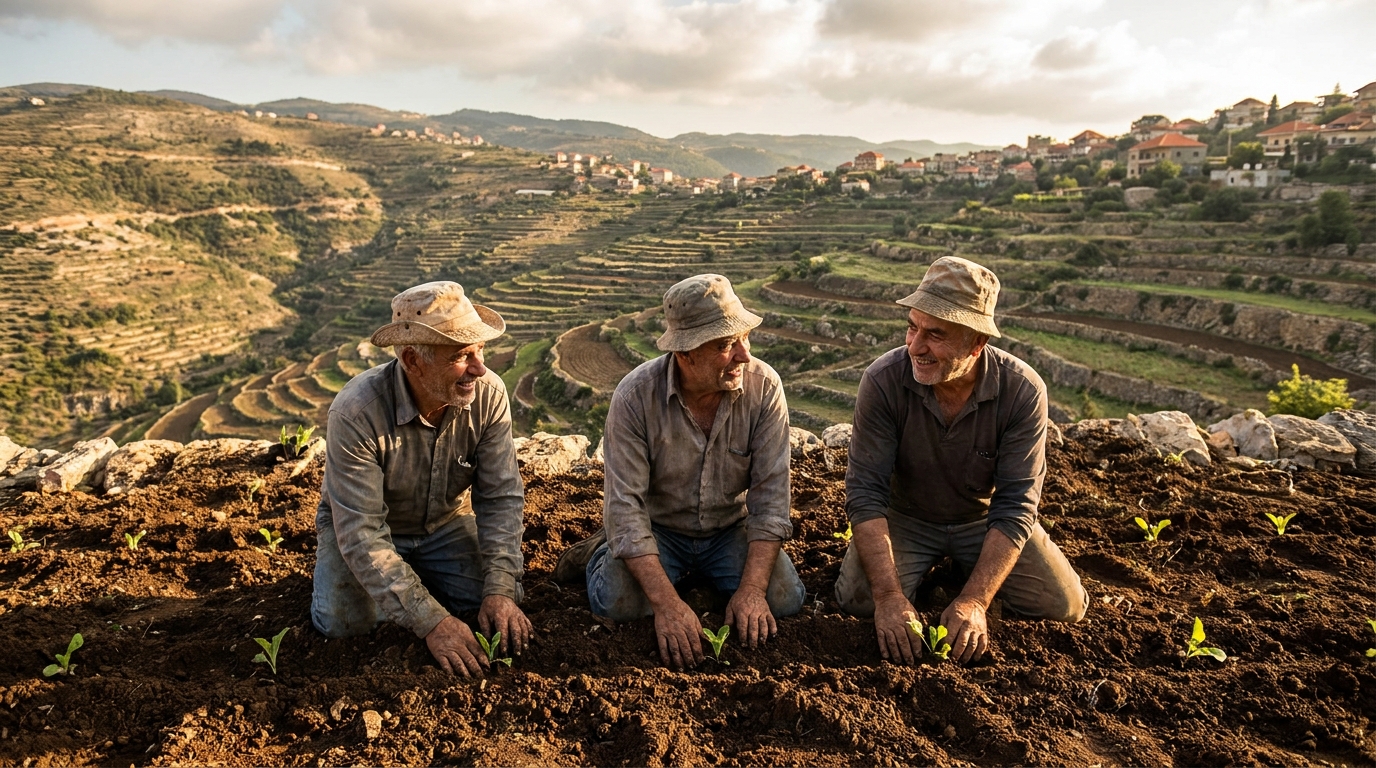
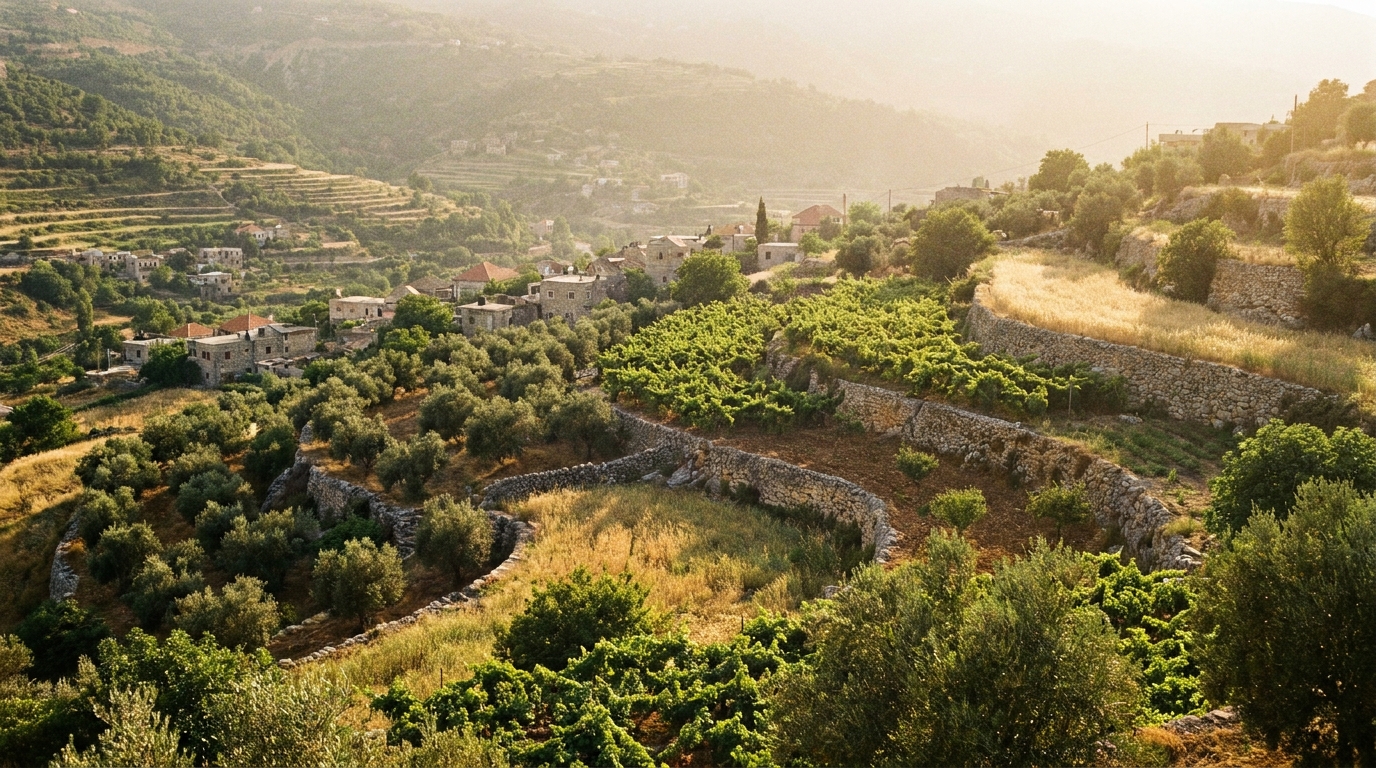
Biodynamic agriculture is built on the opposite premise: that soil health is the primary output of good farming, and that everything else, yield, quality, resilience, follows from it. This does not mean lower productivity. It means a different timeline and a different definition of success. And for the agricultural initiative that became the prototype for the NASF framework in Lebanon's Chouf District, this reorientation toward soil health as the primary metric was the single most important practical decision made in the early years.
How Biodynamic Practice Differs from Organic
A common misunderstanding is that biodynamic and organic farming are essentially the same thing, that biodynamics is simply organic with some added ritual. This is incorrect in ways that matter practically.
Both systems prohibit synthetic fertilisers and pesticides. Both require documented management of inputs. Both prioritise soil health over input-dependent yield. But organic farming, as currently certified in most international frameworks, is primarily defined by what it excludes. Biodynamic farming is defined by what it actively builds.
The critical difference is the biodynamic approach to the soil itself as a living community. Organic farming requires that you do not damage the soil with synthetic inputs. Biodynamic farming requires that you actively cultivate the conditions for microbial diversity, fungal networks, and organic matter cycling that make soil genuinely alive. The preparations, the composting practices, the attention to water management and root architecture, all are aimed at creating the conditions for biological complexity, not just avoiding the worst of what conventional agriculture does.
"You cannot fake living soil. It either has complexity or it does not. And complexity takes time, attention, and ecological intelligence to build."
Rima TahaComposting as a Living Process
In biodynamic farming, the compost pile is not a waste management convenience. It is the farm's most important production system. The quality of the compost determines the quality of the biological amendments going back into the soil, which determines the quality of the soil communities, which determines everything else.
Biodynamic compost is built with specific layering of materials, plant waste, animal manure, mineral amendments, and activated with five of the nine biodynamic preparations inserted into the pile during the initial build. The pile is turned at specific intervals and monitored for temperature, moisture, and smell, all of which provide information about the microbial processes taking place within it. A well-made biodynamic compost heap, built with knowledge and attention, takes six months to a year to fully mature. It is not a fast process. But the product is categorically different from conventional compost: biologically rich, structurally complex, and carrying the specific microbial communities that the biodynamic preparations are designed to cultivate.
Soil health is not a starting condition, it is an outcome that takes years to build deliberately. The return on investment from genuinely healthy soil compounds over decades: lower input costs, greater climate resilience, better crop quality, and long-term productivity that does not require increasing synthetic inputs to maintain.
Cover Cropping and Root Architecture
One of the most consistently undervalued tools in biodynamic soil management is the cover crop. Planted between main crop cycles, cover crops serve multiple functions: they prevent erosion, suppress weeds through competition rather than herbicide, fix atmospheric nitrogen through leguminous root systems, and, critically, feed the soil community through root exudates that sustain microbial life between growing seasons.
Biodynamic farmers choose cover crops with the full soil biology in mind, not simply as a fallow-period convenience. The selection of species, the timing of planting and termination, and the method of incorporation, whether grazed by animals, mowed and mulched, or crimped and left as surface cover, all reflect the goal of building specific soil conditions for the following main crop.
The root systems of cover crops also do structural work that no mechanical tillage can replicate: breaking up compaction layers, opening channels for water infiltration, and creating the architecture of pore spaces and organic channels through which soil organisms move. This biological tillage is permanent in ways that mechanical tillage is not. It builds structure that persists and improves, rather than temporarily loosening a layer that will recompact.
What Healthy Soil Looks Like, and How Long It Takes
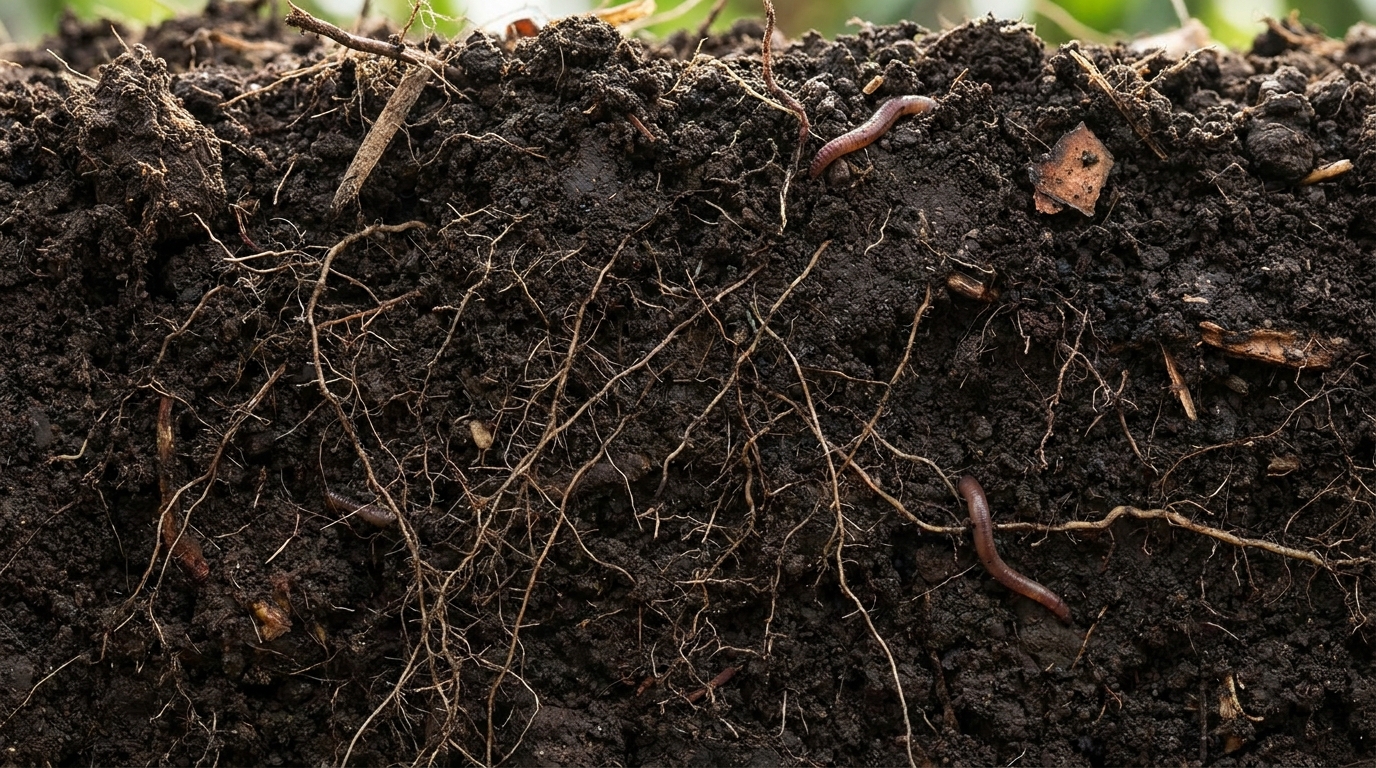
Healthy biodynamic soil has a specific character that is immediately observable once you know what to look for. It is dark and loose with a fine granular structure. It holds its shape when squeezed but breaks apart easily. It has a rich earthy smell, the smell of geosmin produced by actinobacteria, which is itself a signal of microbial health. It is threaded with fungal hyphae visible as fine white filaments when a clump is broken apart. Earthworms are abundant and present at multiple depths.
Arriving at this state from degraded or conventionally managed land takes time that must be planned for. The first year of transition typically shows modest improvement in organic matter content and the beginning of microbial recolonisation. The second and third years show more significant changes in soil structure and water-holding capacity. By years five to seven, on a well-managed biodynamic farm, soil assessments begin to show the kind of biological complexity that defines genuine soil health.
This timeline is why institutional support matters so much for farmers making the transition. The economic pressure on individual smallholders does not allow for a five-to-seven-year investment horizon without external support. Cooperative models, guaranteed market access, and transition financing are not optional additions to a biodynamic programme. They are prerequisites for it to work at scale. This is the core lesson from the Chouf District experience that shaped the NASF framework: ecological practice and institutional design must be developed together, or neither reaches its potential.
Building regenerative systems at institutional scale?
The NASF framework offers a proven model for ecological transformation with built-in institutional, market, and knowledge infrastructure.
Explore Collaboration →