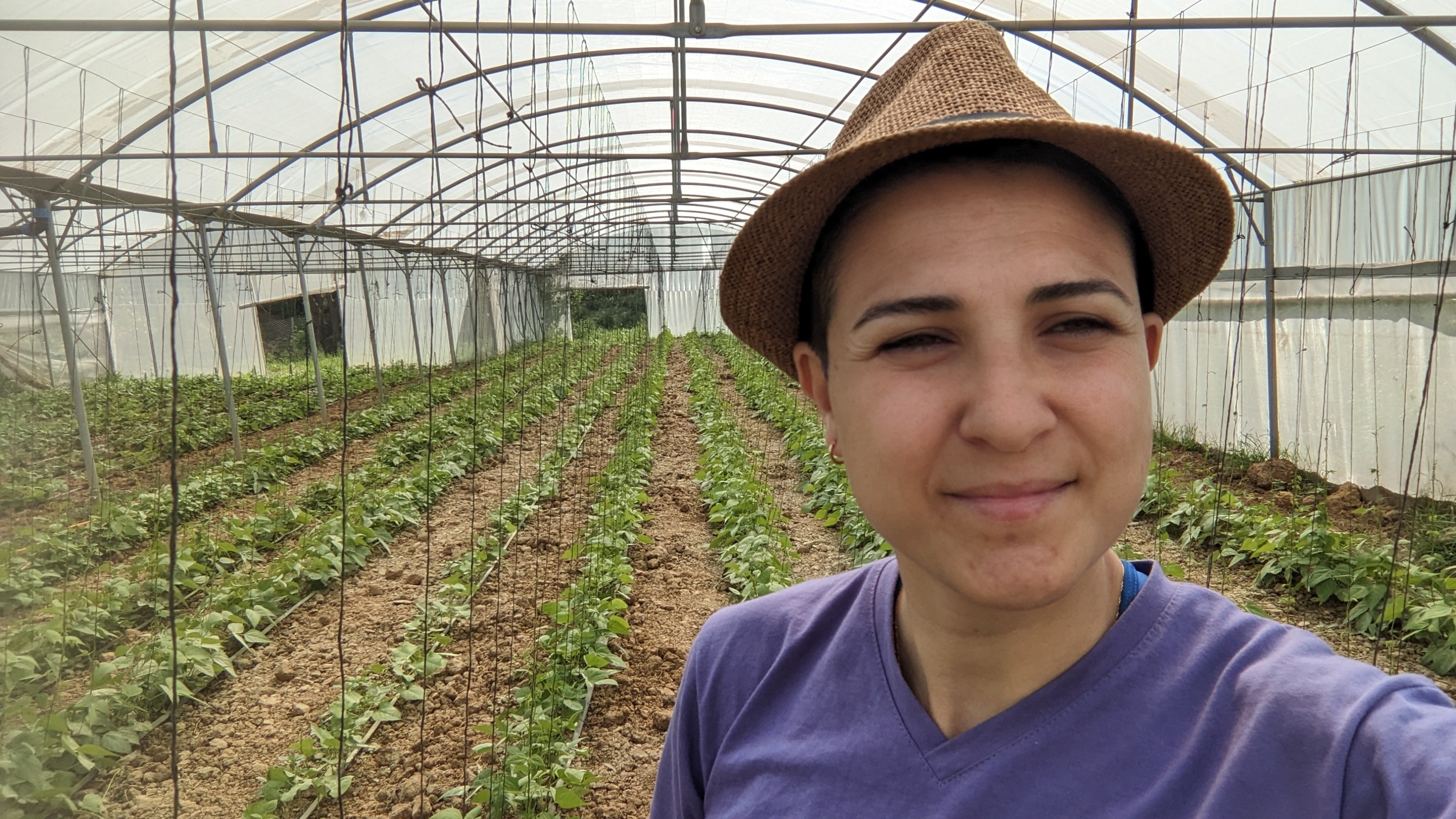
The Beginning
An agricultural initiative in Lebanon's Chouf District was not, at first, a framework. It was a question: could a regenerative cooperative model for agriculture actually work, not in theory, but in the soil, in a community, across seasons?
The ecological cooperative model that emerged from this initiative, years of applied practice in the mountains of Lebanon, answered that question. And in doing so, it created something rarer still: a proof-of-concept that could be taught, replicated, and deployed at scale.
From Prototype to Framework
This prototype, developed through years of applied ecological practice, became the foundation for the NASF framework: a systemic agricultural transformation model now designed for NGO and ministry-level deployment.
The NASF framework addresses the full cycle of agricultural transformation: soil regeneration, cooperative economic models, community knowledge transfer, and institutional impact measurement. It is built not on theoretical ecology, but on a living proof-of-concept that already worked.
The framework is designed for NGOs, government ministries, and international development organisations, including UN bodies, seeking a replicable, evidence-based model for regenerative agricultural transformation at institutional scale.
NASF Framework Components
Soil & Ecosystem
Regenerative soil assessment, biodiversity mapping, and ecosystem health protocols.
Cooperative Economics
Community ownership structures, value distribution models, and financial resilience frameworks.
Knowledge Transfer
Structured protocols for community learning, traditional knowledge integration, and capacity building.
Impact Measurement
Institutional reporting frameworks, SDG alignment metrics, and longitudinal outcome tracking.
"The ecological cooperative model that emerged from Lebanon's Chouf District was not designed to become a framework, it became one because it worked."
Rima Taha, Global SEO & GEO Advisor