Why Farming Needs a Different Conversation
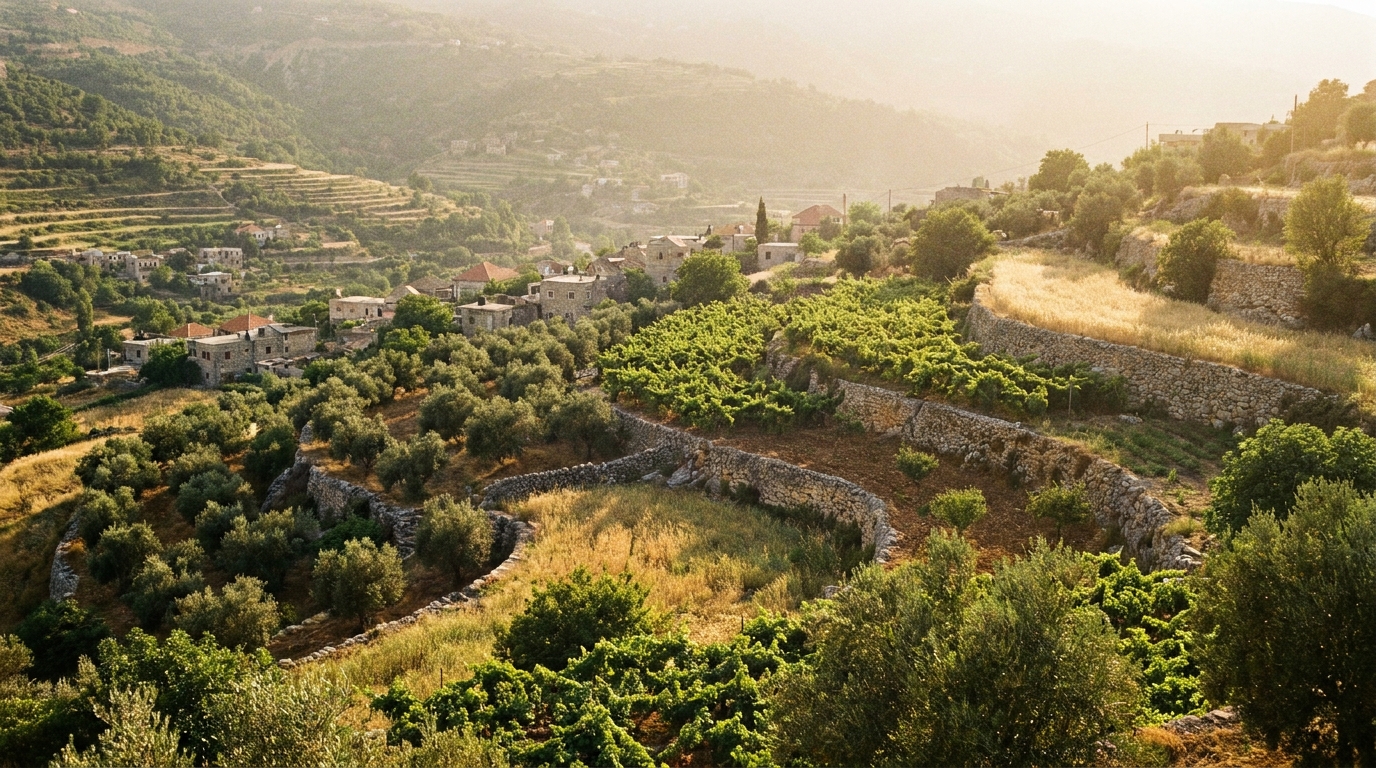
When I first encountered biodynamic agriculture through an agricultural initiative in Lebanon's Chouf District, I expected to find a collection of unusual farming practices, perhaps eccentric, perhaps effective. What I found instead was a complete philosophy of life. A way of understanding the farm not as a machine to be tuned, but as a living system to be listened to.
That experience changed the way I think about systems in general, whether digital, ecological, or human. The principles underpinning biodynamic agriculture are not mystical in the way they are sometimes portrayed. They are, at their core, a sophisticated systems-thinking framework applied to land. And in 2026, as soil degradation, food insecurity, and climate disruption converge into a single crisis, that framework is no longer fringe. It is urgently relevant.
This article is not an academic survey of biodynamic methods. It is a practitioner's introduction: what biodynamics actually is, why its principles matter beyond farming, and what serious engagement with them looks like on the ground.
What Biodynamic Agriculture Actually Is
Biodynamic agriculture was developed by Rudolf Steiner in the early 1920s, emerging from a series of lectures he gave to farmers who had noticed something troubling: the introduction of synthetic fertilisers was increasing yields in the short term but degrading the vitality of their soil and their crops over time. They asked Steiner, philosopher, scientist, founder of the Waldorf education movement, for guidance. What he gave them was not a set of techniques but a way of thinking.
The central idea is this: the farm is a whole organism. Not a collection of separate fields and functions that can be managed independently, but a single, self-sustaining system in which every element, the soil, the plants, the animals, the water cycles, the compost, is connected to every other. Decisions made in one part of the system have consequences throughout. The goal of the biodynamic farmer is not to maximise any single output, but to maintain and strengthen the integrity of the whole.
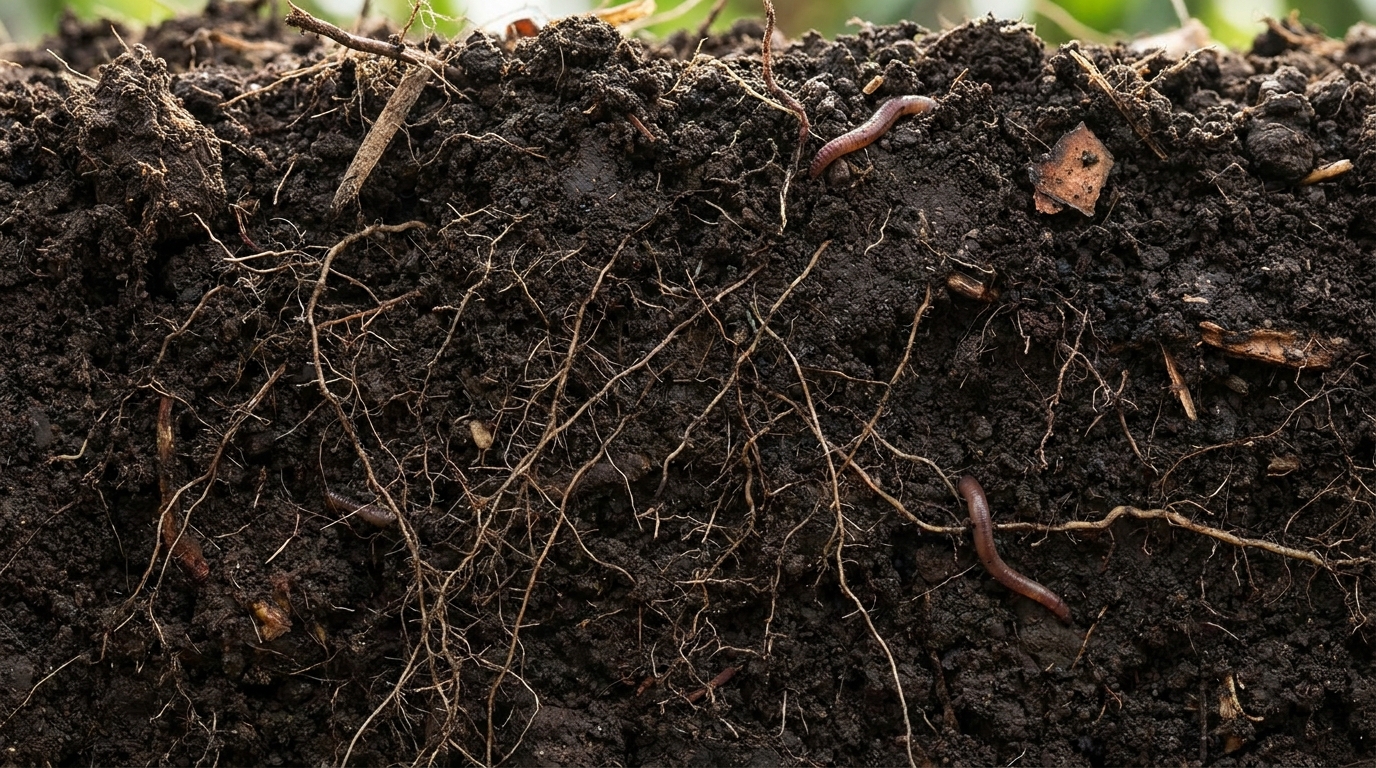
This is a fundamentally different starting point from conventional agriculture, which approaches the farm as a set of inputs and outputs to be optimised. In conventional thinking, soil is a substrate that can be replenished with synthetic nutrients. In biodynamic thinking, soil is a living community of microorganisms, fungi, insects, and organic matter in a dynamic relationship that cannot be simulated by chemical inputs. The farm depends on the health of that community. The farmer's job is to support it.
"The farm is not a machine to be optimised. It is a living system to be listened to."
Rima TahaThe Preparations: Concentrated Ecological Intelligence
The most distinctive, and frequently misunderstood, aspect of biodynamic practice is the use of specific preparations. These are nine concentrated substances made from plant, animal, and mineral materials that are applied to the land, compost, or crops in small quantities. Two are sprayed directly onto fields; the other seven are inserted into compost piles to activate the decomposition process.
The most well-known is preparation 500: fermented cow manure that has been placed inside a cow horn and buried in the earth over winter. In spring it is dug up, stirred in water with great attention for an hour, and sprayed across the fields at sunset. To someone unfamiliar with the philosophy, this looks strange. But the logic is ecological: the cow horn creates a specific fermentation environment, the winter burial activates particular microbial processes, and the stirring creates a structured water preparation that carries those biological signals into the soil.
Whether you approach these practices through the lens of modern soil science or through Steiner's original spiritual framework, the outcome is well-documented: farms using the biodynamic preparations consistently show higher microbial diversity, better soil structure, and more resilient crops than comparable organic farms that do not use them. The mechanism may be debated. The results are not.
Biodynamic farming treats the farm as a single organism, not a collection of inputs and outputs. This changes everything about how decisions are made: from what to plant, to when to harvest, to how waste is processed. The intelligence of the system is distributed, not centralised.
Rhythm, Timing, and the Lunar Calendar
Biodynamic farming follows a planting calendar that aligns agricultural activities with lunar and cosmic rhythms. Root days, leaf days, flower days, fruit days, each corresponding to the position of the moon and the dominant element active in the soil at that time. This is where biodynamics loses many otherwise sympathetic observers who find it difficult to reconcile with scientific thinking.
The practical farmers I worked with in the Chouf District had a more pragmatic relationship with the calendar. They used it as a structuring framework, a discipline that imposed rhythm and intentionality on daily decisions that might otherwise be reactive. Whether the lunar associations are literally causal or whether the calendar's value is primarily as a system for thoughtful timing and observation, the outcome is the same: farmers who follow it tend to make more deliberate choices and observe their land more carefully.
The calendar also encodes generations of accumulated agricultural knowledge about seasonal timing, weather patterns, and crop behaviour. In this sense it functions as an inherited data system, one that is more holistic and contextually rich than a standardised planting guide, even if it requires interpretation.
From Principle to Practice: What Changes on the Ground
Adopting biodynamic principles changes farming in concrete ways that go beyond the use of preparations or following the calendar. The shift in mindset changes how farmers observe, record, and respond to their land.
First, it changes the relationship with animals. A biodynamic farm is ideally a closed-loop system in which animals provide the manure that feeds the compost, the compost feeds the soil, the soil feeds the crops, and the crops feed the animals. This requires a farm to maintain animals, typically cattle, not primarily as a production unit but as a contributor to the farm organism. The economic and logistical implications of this are significant and not to be underestimated.
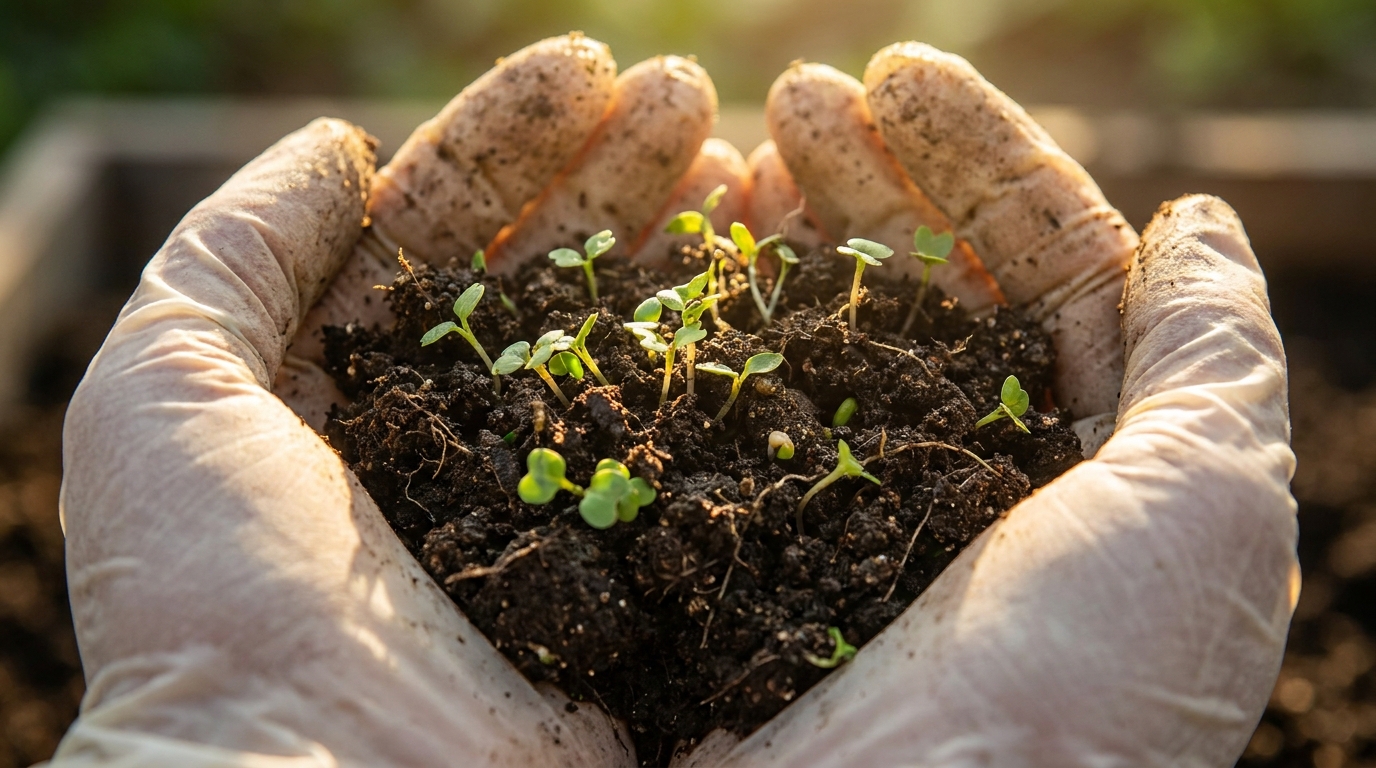
Second, it changes the relationship with waste. Nothing leaves the farm unnecessarily. Plant material, animal waste, kitchen scraps, all are composted and returned to the soil. The compost is not merely a convenience; it is the farm's primary instrument for building soil health. Learning to make biodynamic compost well is a skill that takes years to develop.
Third, it changes the relationship with time. Biodynamic farming is a multi-year, multi-generational practice. The full benefits of transitioning to biodynamic methods may not be visible for three to five years. For farmers under economic pressure, this is the most demanding aspect of the practice, and the one that most requires institutional support, market access, and a financial model that does not punish patience.
This is precisely why the NASF framework, developed in part from the experience of that agricultural initiative in Lebanon's Chouf District, includes institutional architecture alongside ecological practice. Biodynamic methods work. But they work most sustainably when the farmers practising them have access to markets that reward their effort, institutions that support their transition, and knowledge networks that continue their education. Ecology and economics must be designed together.
Working on an ecological or institutional project?
Rima advises organisations navigating the intersection of regenerative systems, institutional design, and digital transformation.
Collaborate With Me →