The Demeter Standard and What It Demands
Demeter International is the oldest and most respected certification body for biodynamic agriculture. Founded in 1928, just a few years after Rudolf Steiner's original lectures to farmers, it has spent nearly a century developing and maintaining standards that define what biodynamic farming actually means in practice. When a product carries the Demeter seal, it is not simply telling you it was grown without synthetic inputs. It is telling you something more specific: that the farm operating as a whole system, managed according to a documented set of ecological and ethical principles, produced it.
The demands are considerable. To become Demeter-certified, a farm must first complete a two-year conversion period during which it transitions away from conventional inputs, builds its composting system, and begins practising with the biodynamic preparations. During this period the farm can be inspected but cannot carry the full Demeter mark. Once fully certified, annual inspections verify compliance across a broad set of criteria: soil management, compost quality, water management, biodiversity, animal welfare, and the use of the preparations. The paperwork alone is a genuine commitment.
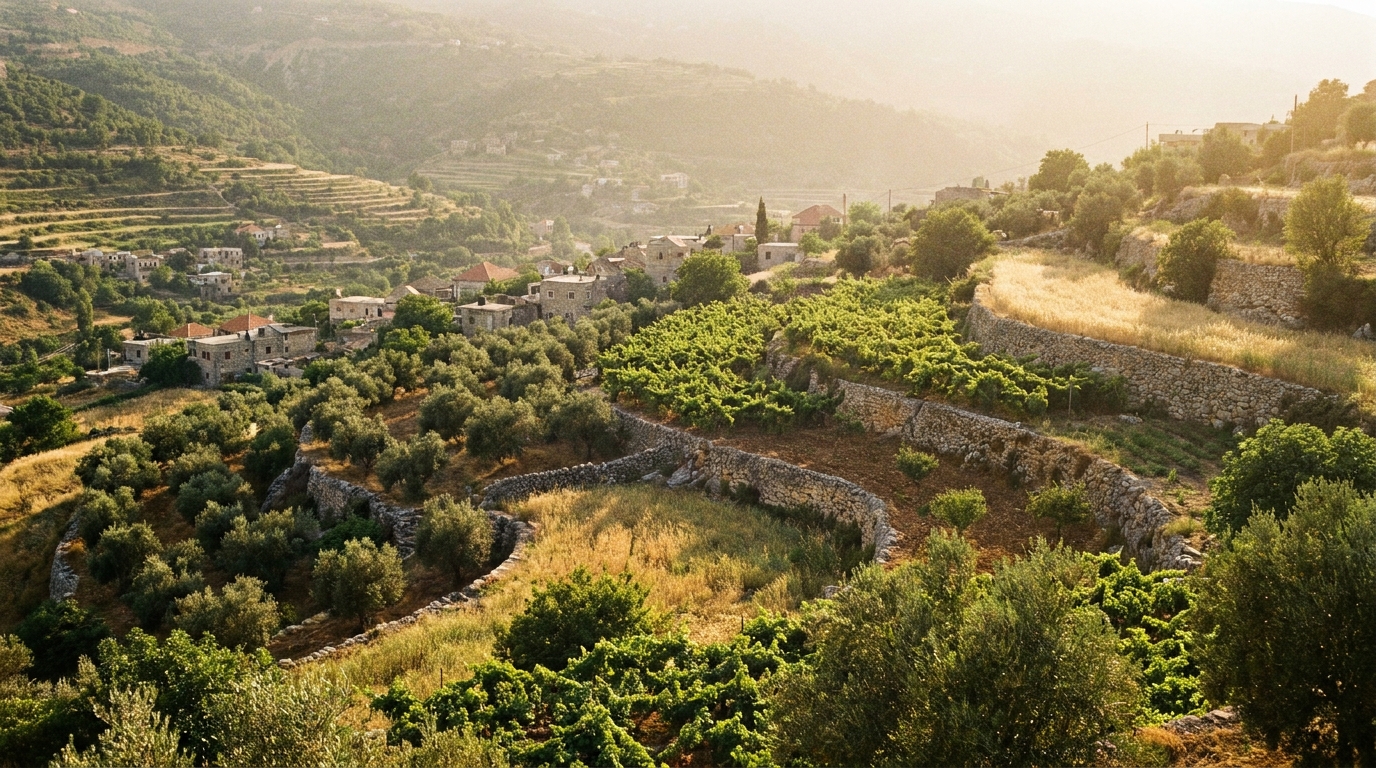
For farmers used to operating informally, which describes many small producers in the MENA region, this level of documentation and inspection can feel intrusive. My experience working with producers in Lebanon's Chouf District made clear that the administrative dimension of certification is often the primary barrier, not the agricultural knowledge or the will to practice sustainably. This is one of the problems the NASF framework was designed to help solve: providing institutional infrastructure that makes certification economically and administratively accessible for small producers who lack the capacity to navigate it alone.
The Certification Process: Step by Step
Obtaining Demeter certification follows a structured process, though the specific timeline and requirements vary by country as each national Demeter association administers its own certification programme within the global standards framework.
The process typically begins with an application to the relevant national association and an initial farm assessment. This assessment establishes a baseline understanding of the farm's current practices and identifies what changes will be required for certification. The two-year conversion period then begins. During this period, the farmer must maintain detailed records of all inputs, activities, and observations on the farm. These records become the primary evidence base for certification assessments.
Annual inspections are conducted by qualified Demeter inspectors who visit the farm, review the records, and assess compliance with the standards in person. The inspector is looking not only at whether the rules are being followed but whether the biodynamic philosophy is genuinely understood and embodied in how the farm is managed. This is a subtler assessment than a simple compliance check, and experienced inspectors describe it as evaluating the farmer's relationship with the land as much as the technical practices.
"Certification is not bureaucracy. It is the bridge between a farmer's integrity and the market's trust."
Rima TahaWhy Certification Matters for Market Access
The value of Demeter certification extends well beyond the premium pricing it commands in retail markets. For producers looking to access export markets, institutional buyers, or premium hospitality chains, certification functions as a language that buyers understand and trust without requiring them to conduct their own due diligence on each supplier.
This matters enormously in markets where buyers are making decisions at scale. A supermarket chain sourcing biodynamic produce for a premium tier cannot visit every farm it sources from. The Demeter certification provides a credible third-party verification that the farm meets its standards, which is why certified producers have access to distribution channels that are simply unavailable to farms practising biodynamically without the official mark.
In the MENA and GCC markets, where premium food segments are growing rapidly and institutional buyers are increasingly sophisticated, the Demeter mark is gaining recognition. The GCC's premium hospitality sector in particular, luxury hotels, high-end restaurant groups, and corporate catering for government events, is beginning to specify biodynamic or certified organic sourcing requirements in its supplier standards. Producers who hold certification are positioned to meet those requirements. Those who do not are effectively invisible to that tier of the market.
Certification is not just about the premium. It is about market access. Without Demeter certification, a biodynamic producer is selling on trust. With it, they are selling on verifiable standards, to buyers who can't and won't take personal visits on faith.
Who's Buying Biodynamic
The biodynamic consumer has evolved significantly over the past decade. The early adopter profile, health-conscious, educated, predominantly urban, willing to pay a significant premium for philosophical alignment, is still present, but it now represents only one segment of a much broader market.
Institutional buyers are the most significant development of the past five years. Hospital groups focused on patient nutrition, corporate catering operations responding to employee wellness initiatives, school food programmes in progressive municipalities, all are incorporating certified biodynamic products into their procurement. These buyers purchase at volume and with predictability, which makes them far more economically valuable to producers than retail premiums alone.
The MENA and GCC markets present a specific opportunity that is often underappreciated. The Gulf states in particular have significant food import dependency and are actively investing in food sovereignty initiatives that prioritise traceable, certified, sustainably produced food. Producers in Lebanon, Jordan, and Morocco who hold international certification, Demeter, EU Organic, or equivalent, are positioned to supply these markets in ways that uncertified producers cannot.
The Business Case: Premium Pricing and Long-Term Resilience
The economics of biodynamic certification require honest analysis. Certification costs money, the administrative fees, the inspection fees, the additional labour involved in record-keeping and compliance. The conversion period involves a genuine financial risk: the farm is operating according to higher-cost, lower-input methods without yet having access to the premium markets that would compensate for that.
For individual smallholders without institutional support, this financial gap is often prohibitive. For farmers operating within a cooperative structure, or within the kind of institutional framework that the NASF model supports, the economics look very different. Shared administrative infrastructure, collective certification applications, and guaranteed market access through cooperative channels can make the business case for certification compelling even for small-scale producers.
The long-term resilience argument is equally important. Certified biodynamic farms consistently demonstrate greater resistance to climate shocks, pest pressures, and input price volatility than conventional farms. The soil health that biodynamic practice builds over years functions as insurance: a farm with genuinely healthy soil can absorb a difficult season in ways that a conventionally managed farm, dependent on synthetic inputs and more vulnerable to degradation, cannot. This resilience value is not always captured in short-term financial models, but it is real, and it compounds over time.
Scaling regenerative agriculture in your region?
Rima advises institutions, ministries, and NGOs on the NASF framework for ecological transformation at scale.
Collaborate With Me →