
Agricultural Systems Intelligence
Most agricultural data dies in spreadsheets.
This is the discipline of bringing it back.
Three layers spanning government strategy, applied intelligence frameworks, and farmer and student intelligence, built from six years of applied field knowledge in Lebanon's Chouf District, now deployed at institutional scale.
Farmers hold the intelligence. Everyone else holds the data.
3
Layers, from government strategy to farmer intelligence
5
Operational domains in the applied intelligence framework
2020–2025
Years of applied field knowledge, Chouf District
Neutral
Technology-agnostic advisory, never a competing vendor
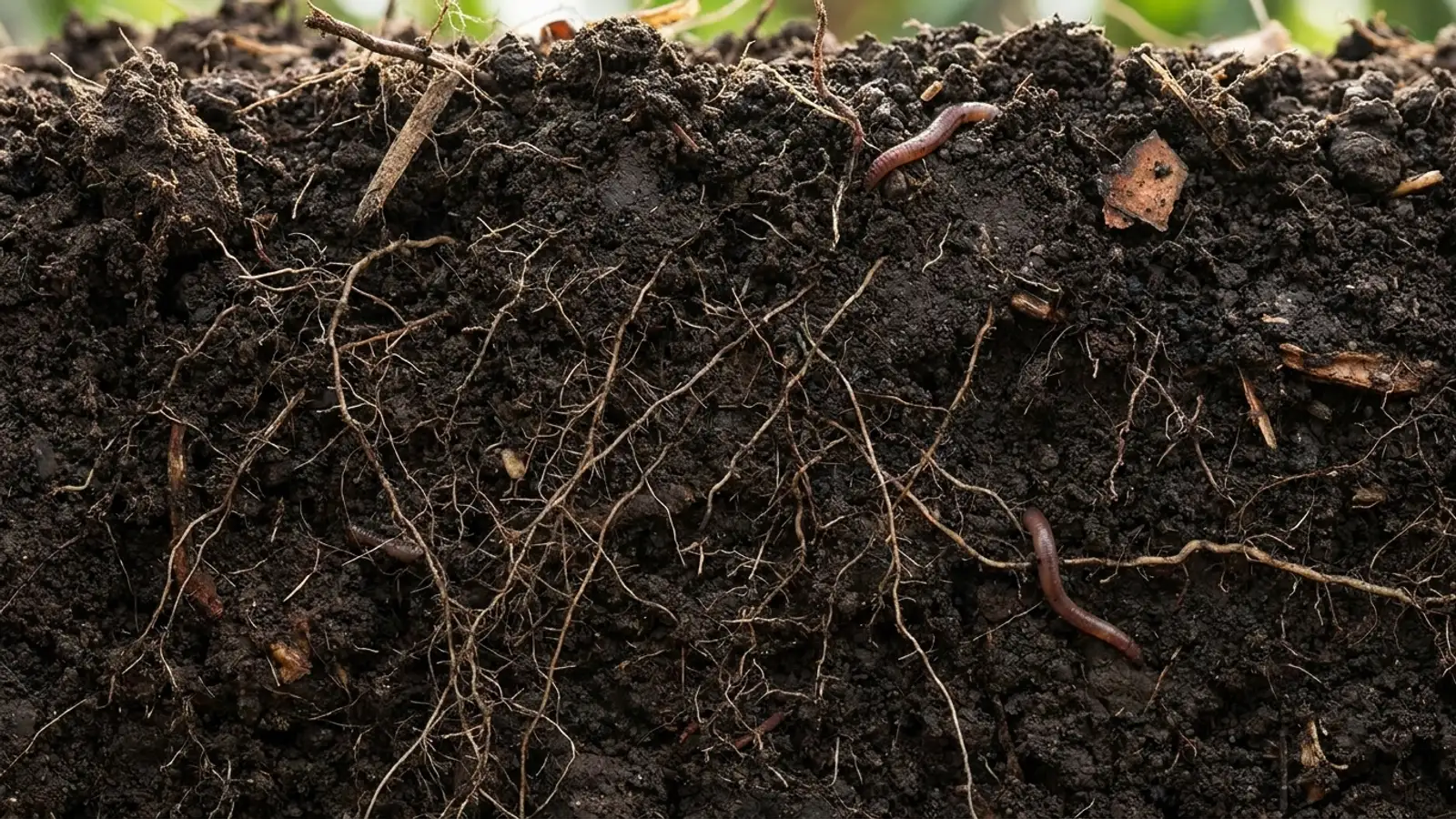
Government & Institutional
Strategy and infrastructure for agricultural digitisation.
Advising ministries and development organisations on digital agriculture strategy, data architecture, farmer registry systems, and technology vendor evaluation. Delivered as a neutral, technology-agnostic advisor, not a vendor competing for implementation. The work begins where the field methodology ends, with what governments need to know before they procure.
Where the advisory sits
Ministry-level advisory
Digital agriculture strategy and farmer registry architecture, advised before procurement rather than after it.
Institutions and organisations
Vendor-neutral evaluation for governments, institutions and development organisations.
Straight Answers
The questions that come first.
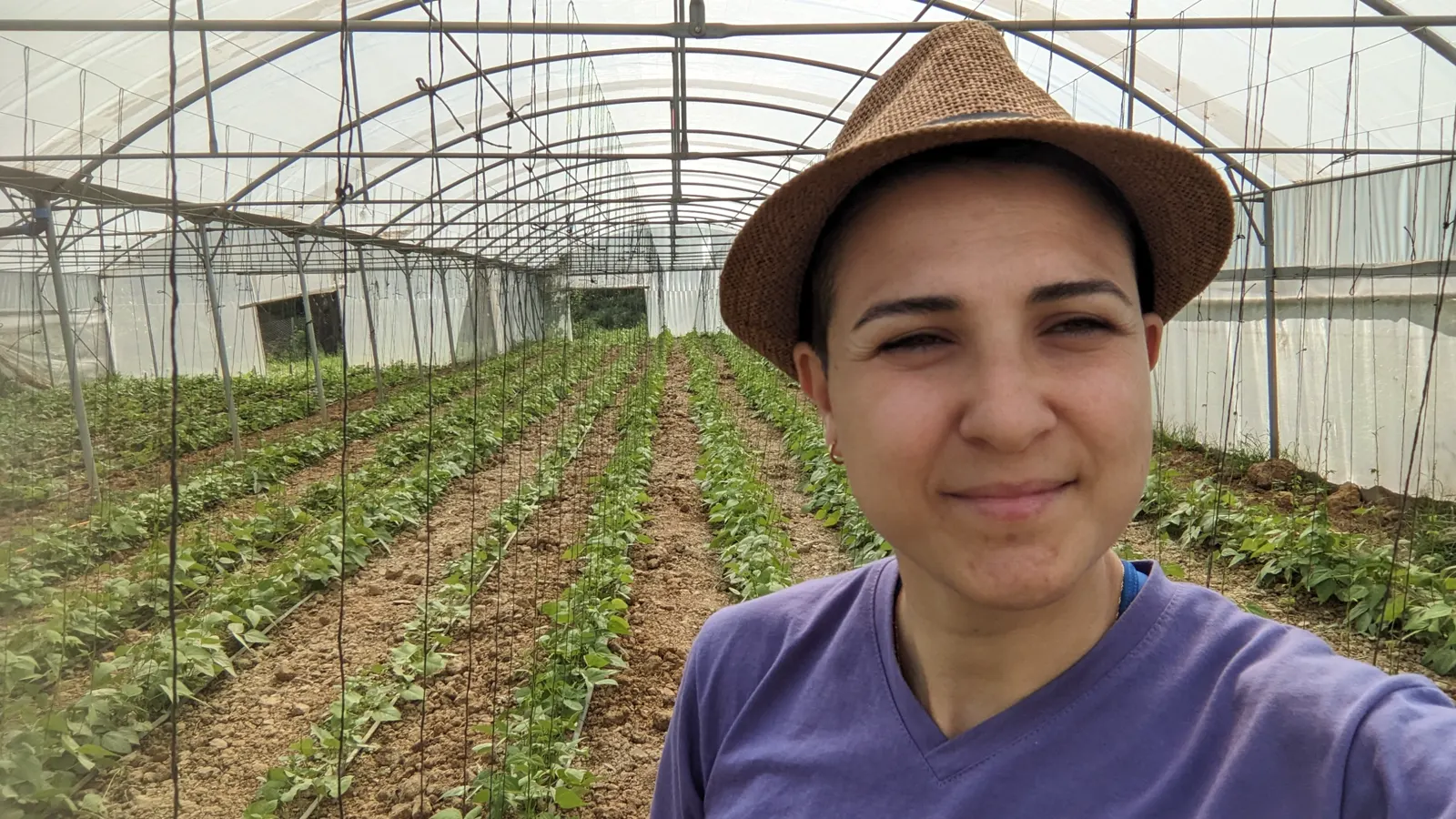
Farmer & Student Intelligence
Teaching the business of farming, and the next generation of agricultural advisors.
The missing layer in agricultural development. Giving farmers access to their own commercial intelligence: yield data, pricing signals, buyer relationships, access to credit, cooperative formation. Alongside this, an AI and agricultural intelligence curriculum delivered at university level, equipping the next generation of agronomists with the data literacy their field demands.
How it is taught
University curriculum
AI and agricultural intelligence, taught at the Lebanese University Faculty of Agriculture.
Student field data
An AI-assisted collection programme that turns coursework into a real agricultural record.
Farmer business literacy
Commercial capacity building so farmers can read their own numbers and act on them.
Further Reading
Where this work goes next.
Proof
The field methodology, as a case study
Chouf District, Lebanon. The applied practice behind the discipline.
Read the case study →
Farmer Intelligence
The national agriculture startup framework
The applied intelligence systematised into a deployable institutional framework.
Explore Farmer Intelligence Framework →
Engage
For ministries, NGOs and development organisations
Institutional engagements across strategy, data architecture and vendor evaluation.
Open a conversation →
Common Questions